by Gabriel Levitt, President, PharmacyChecker.com and Prescription Justice | Jul 31, 2017 | Advocacy, Personal Drug Importation
 Both opioid abuse and the high price of medication have wreaked hell on Americans and their families, and now two very different bills in Congress that affect drug importation aim to alleviate these crises. However, if the pharmaceutical industry has its way, the bill meant to address the opioid problem will worsen the catastrophe of inflated drug prices in the United States by threatening American access to lower cost medication imported from Canada and other countries.
While the high cost of prescription medication is often attributed to the greed of pharmaceutical companies, fewer people are aware that that same avarice aided in causing the epidemic of opioid abuse. Decades ago, drug companies successfully pushed for looser prescribing rules for opioids, which encouraged providers to overprescribe them to their patients.
According to the Centers for Disease Control and Prevention (CDC), 33,091 Americans died in 2015 from overdosing on opioid drugs, but high drug prices can kill, too. Approximately 45 million Americans did not fill a prescription last year due to soaring costs of medication. When people fail to take prescribed medication it frequently leads to illness and too often, worse, death. The CDC estimates that 125,000 people die each year because they are not taking the necessary medications for chronic conditions.
Introduced by Rob Portman (R-Penn.), the Synthetics Trafficking and Overdose Prevention Act (known as the STOP Act) seeks to curb illegal importation, mostly coming from China, of a synthetic opioid drug called fentanyl, which is 50-100 times stronger than methadone.
In 2015, the CDC reported synthetic opioid overdose as the cause of death of 9,580 people, a 72.8 percent increase from 2014. Many of these cases are tied directly to fentanyl. Granted, some deaths can be attributed to lawfully manufactured fentanyl, but the CDC believes that illicitly manufactured fentanyl, which is also used to make counterfeit prescription narcotics including imitation Vicodin and Oxycontin, is the real culprit.
The STOP Act’s language targets the United States Postal Service, through which the fentanyl is coming in, and this is at the heart of the problem.
Under current law, commercial carriers, such as Federal Express and UPS, must provide U.S. Customs and Border Protection, the agency responsible for policing imported goods, advance electronic data about incoming deliveries. That data makes it easier to stop illegal imports, which include illegal fentanyl from China, but also safe prescription medication from Canada.
The USPS does not receive advance electronic data at its international mail centers as uniformly as private carriers, which means fentanyl can be delivered by the USPS. The STOP Act would force USPS to demand advance electronic data from foreign postal services, like Canada Post, and operate similarly to private carriers – making it potentially much easier to stop the fentanyl imports. The twist is that safe and more affordable medication purchased by Americans can also be stopped this way. The bill should be amended to prevent that.
While the scourge of illegal opioid importation is something we should stop, importation of affordable, non-narcotic prescription medication is a lifeline for millions of families. Despite federal restrictions, about 19 million Americans have imported medication for personal use due to high prescription drug prices in the U.S. The practice is prohibited under most circumstances, but individuals are not prosecuted.
The Affordable and Safe Prescription Drug Importation Act, introduced by Senator Bernie Sanders (I-Vt.), would make importation of lower cost medications from Canada, and eventually other countries, lawful. According to a survey by the Kaiser Family Foundation, seventy-two percent of Americans want the law changed.
The bill would also prohibit importation of controlled drugs, such as prescription narcotics, whether lawfully manufactured or fake. Earlier this month, a coalition of non-profit organizations signed on to a letter to Congress supporting the importation bill and those Americans who currently need to import lower cost medication.
Killing the Sanders importation bill, a goal of the pharmaceutical industry, is just the latest chapter in its long campaign to scare people and politicians about importation. A key strategy is to conflate importation of real medicine with that of counterfeit drugs and narcotics, as well as safe international online pharmacies with rogue ones.
Organizations funded by drug companies are promoting the STOP Act, noting it will protect people from not just fentanyl, but counterfeit drugs online. They are conspicuously silent (but they know) that the proposed rules could also curtail imports of genuine medication ordered online from other countries.
There are rogue online pharmacies that are dangerous and sell counterfeit drugs, but they can be avoided with public education and targeting by regulatory and law enforcement actions. For those who buy from properly verified international online pharmacies, personal importation can be equally as safe as walking in your local pharmacy. The safest international online pharmacies all require valid prescriptions, do not sell controlled medications, and do not sell opioids. Their prescription drug prices are often 70 percent lower than in the U.S., and this access to affordable medication is something that should not face roadblocks by the USPS.
Although pharmaceutical companies did not cause illegal importation of dangerous synthetic opioids, their efforts to promote loose prescribing of narcotics fanned those flames. Clearly, skyrocketing medication prices at home have led Americans to illegally obtain lower cost medications from international pharmacies.
We must not restrict imports of safe and affordable medication in an effort to stop illegal opioid trafficking. Allowing the STOP Act to become law in its current form, while a gift to Big Pharma, could prevent many Americans from getting the medication they need.
Gabriel Levitt is president of PharmacyChecker.com, a company which verifies online pharmacies and lists drug price comparisons, and founder of Prescription Justice, a non-profit organization dedicated to ending the crisis of high drug prices in America. Financial disclosure: PharmacyChecker derives revenues from its Pharmacy Verification and Listing Programs.
________________________________________________________________________________________
This op-ed originally appeared in The Hill on June 23rd, 2017.
by Gabriel Levitt, President, PharmacyChecker.com and Prescription Justice | Jul 20, 2017 | Advocacy, Drug Safety, Personal Drug Importation, Policy

Getting the truth about Online Pharmacies
The economist and drug safety expert Roger Bate, PhD, affiliated with the American Enterprise Institute, published a short article this week, the title of which says it all: “Credentialed online pharmacies are so safe that peer review literature is no longer interested in results showing it.” The gist is that he and colleagues have been testing medications for several years, since 2008, as mystery shoppers ordering online domestically here in the U.S. and internationally for import. The research shreds the myths of the drug companies by presenting peer-reviewed data to derive what are called “facts” about the Internet and importation. The main fact proved is that importing medications, ones ordered online, can be equally safe as U.S. pharmacies.
In the studies from 2008-2016, 822 online medication orders were tested: 275 medications from 22 international online pharmacies verified by PharmacyChecker.com (12 of which are also verified by the Canadian International Pharmacy Association); 127 medications from eight U.S.-only online pharmacies verified by the National Association of Boards of Pharmacy and/or LegitScript.com, and the rest from websites with no verification.
Verified U.S. pharmacies sold zero counterfeits but one (out of 127) order of generic Cipro was substandard. Verified international pharmacies sold zero counterfeits but one (out of 275) order of generic Cipro was substandard. On a percentage basis, the PharmacyChecker.com-verified websites performed best (but that’s nitpicking). And for those of you thinking, well, one was substandard…that same medication is available at your local Walgreens or CVS. Read the research.
In contrast, online pharmacies with no verification (Dr. Bate calls it “credentialing”) sold eight counterfeits and 16 substandard drugs (out of 332 tested).
How about prices? When it came to brand name drug prices, the studies showed that credentialed international pharmacies were about 60% cheaper. (more…)
Tagged with: AEI, legatum institute, Roger Bate, searle freedom trust
by Gabriel Levitt, President, PharmacyChecker.com and Prescription Justice | Apr 12, 2017 | Advocacy, Healthcare Reform, Personal Drug Importation, Saving Money on Prescription Drugs
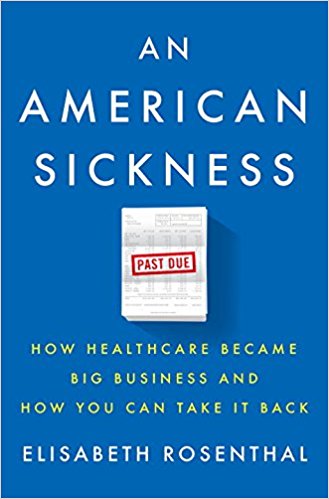
A new book about our ailing healthcare system.
In her new book, American Sickness, Elisabeth Rosenthal, MD, an award-winning journalist, currently chief editor of Kaiser Health News, and formerly with the New York Times, recommends visiting PharmacyChecker.com to consumers who choose to import more affordable medications for themselves or their family members via online pharmacies.
In general, Ms. Rosenthal’s book explains why our healthcare system is such a mess in terms of consumer and government costs; who is responsible; how we can make things better – and most importantly – what consumers can do NOW to take on the special interests and save money. It’s a great book for citizens, healthcare advocates and policy makers who want a deeper understanding of what ails our healthcare system. (more…)
Tagged with: american sickness, Elisabeth Rosenthal
by Gabriel Levitt, President, PharmacyChecker.com and Prescription Justice | Mar 9, 2017 | Advocacy, Drug Importation, Drug Prices, Online Pharmacies, Personal Drug Importation, Pharmaceutical Industry
Will drug price angst unite America?
The executive director of Prescription Justice, Jodi Dart, published an op-ed in Morning Consult earlier this week called The Rx Rip-Off. The piece does contain Ms. Dart’s opinions but there are also some facts reported, ones based on a Zogby poll on drug prices commissioned by Prescription Justice. The poll shows that 90% of Americans are united on the need for the government to take action to make medication more affordable! As an incredible coincidence, President Trump tweeted just hours after the op-ed was published that “Pricing for the American people will come way down!”
There’s a lot in this poll that I look forward to writing about but let’s consider some of the broad findings of the poll:
- 75.5% of Americans agree with President Trump that the “drug companies are getting away with murder:
- 29.6% of Americans say they have not filled a prescription because of cost.
- 4.2% say they currently get prescription medication from a Canadian or other international online pharmacy.
- 77% of respondents who had an opinion on the issue of importation laws (522 out of 674) supported reforms so that consumers could lawfully purchase medicines from Canada or other countries.
- Only 15% of respondents were actually against legalizing personal drug importation (23% of those who had an opinion).
Source: Zogby Analytics, margin of error +/- 3.1%: http://prescriptionjustice.org/Prescription_Justice_Zogby_Poll_Data_Feb_2017.pdf.
(more…)
Tagged with: jodi dart, morning consult, poll, prescription justce, public opinion, trump, zogby
by Gabriel Levitt, President, PharmacyChecker.com and Prescription Justice | Feb 16, 2017 | Advocacy, Drug Importation, Drug Prices, FDA, Personal Drug Importation
Unapproved but safe and effective…
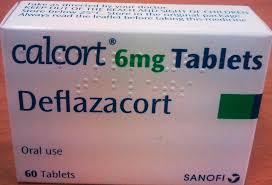
Personal drug importation works! This week, drug company Marathon announced it is postponing the launch of Emflaza, its recently FDA-approved version of an off-patent drug called deflazacort, in the face of heavy scrutiny by Senator Bernie Sanders and Congressman Elijah Cummings over its price tag – $89,000 a year. This drug, which treats Duchenne Muscular Dystrophy (DMD), is available under the brand name Calcort in the United Kingdom at about 99% less (about $750) than the current U.S. “postponed” price. Generic versions of deflazacort are also available internationally among verified online pharmacies at an annual price tag of about $650.
For some background on the disease and treatment: DMD is a “genetic disorder characterized by progressive muscle degeneration and weakness.” It mostly afflicts boys, with onset ranging from ages 3-5. It’s caused by the absence of a protein called dystrophin. For more, see the Muscular Dystrophy Association’s (MDA) website. According to the MDA, corticosteroids, including deflazacort, help slow the disease’s progression.
For a critique of the Emflaza price read Sanders and Cummings’ letter. No one could do better than that. Marathon CEO Jeff Aronin attempts to rationalize the price here but it almost reads like an apology. They argue that no consumer will deal with the $89,000 price tag because health insurers only charge a $20 co-pay and they have patient assistance programs to help the uninsured. It’s never that perfect, at all: people always slip through the cracks and we’re not forcing people to go without needed medication or go into bankruptcy to get it. Right?
So now a fist full of truth about this medication and safe online access to affordable medicines to shine a bright light on the lifeline that is personal drug importation… (more…)
Tagged with: deflazacort, emflaza, marathon
by Gabriel Levitt, President, PharmacyChecker.com and Prescription Justice | Jan 12, 2017 | Advocacy, HIV/AIDS, Personal Drug Importation, Public Health
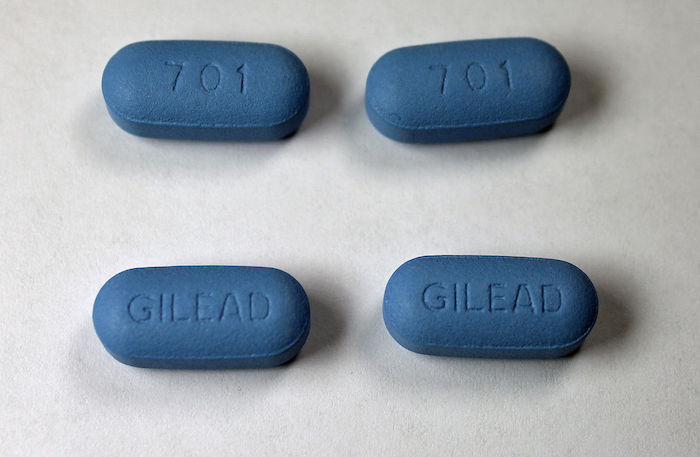
In case you didn’t know, PharmacyChecker is based in New York. We are a proud American company, one that has helped millions of Americans for well over a decade get the information they need to save money safely if choosing to buy lower cost, imported medication online. While my focus is often the American consumer, I’m very much concerned with medicine access needs globally, too.
The fact is that online access to affordable medication is helping consumers throughout the world. We’re going to look at one very interesting and uplifting example from the United Kingdom, where people in at-risk communities are saving themselves from contracting HIV through the safe purchase of medication over the Internet and importing it for personal use.
The title of an article in the New Scientist pinpoints the gist of what’s going on: “Massive drop in HIV rates may be due to Internet Drugs.” In late 2016, four health clinics in London saw a dramatic drop in new HIV infections of 40% among gay men over a 12-month period. That period corresponded with the launch of I Want PrEP Now (https://www.iwantprepnow.co.uk/), a non-profit initiative that helps people safely buy generic Truvada online. While it’s possible that other factors are at play, public health experts attributed the drop in new HIV infections to the ability of people to obtain generic Truvada affordably through the Internet. I cannot vouch for the online pharmacies recommended through I Want PrEP because we have not verified them in the PharmacyChecker Verification Program, but read on to see amazing evidence of the safety and efficacy of the medications ordered. (more…)
Tagged with: emtricitabine/tenofovir, PrEP, Truvada

 Both opioid abuse and the high price of medication have wreaked hell on Americans and their families, and now two very different bills in Congress that affect drug importation aim to alleviate these crises. However, if the pharmaceutical industry has its way, the bill meant to address the opioid problem will worsen the catastrophe of inflated drug prices in the United States by threatening American access to lower cost medication imported from Canada and other countries.